We use necessary cookies for site function. For analytics and marketing, we need your consent. You can change your mind anytime. Privacy Policy

Stellarnomics: Understanding the Stellar Network Economics
 Olvis Gil · EduNode · 5 min read
Understanding the economics of the Stellar network is essential for anyone building on it. From the role of XLM as the native currency to the fee structure and inflation mechanism, Stellar's economic design is carefully crafted to enable fast, low-cost global payments.
The Role of XLM
Lumens (XLM) are the native currency of the Stellar network. They serve three primary purposes: as a bridge currency for cross-asset transactions, as a spam prevention mechanism (each transaction requires a small fee), and as a minimum balance requirement for accounts (currently 1 XLM base reserve).
The Stellar Network Structure
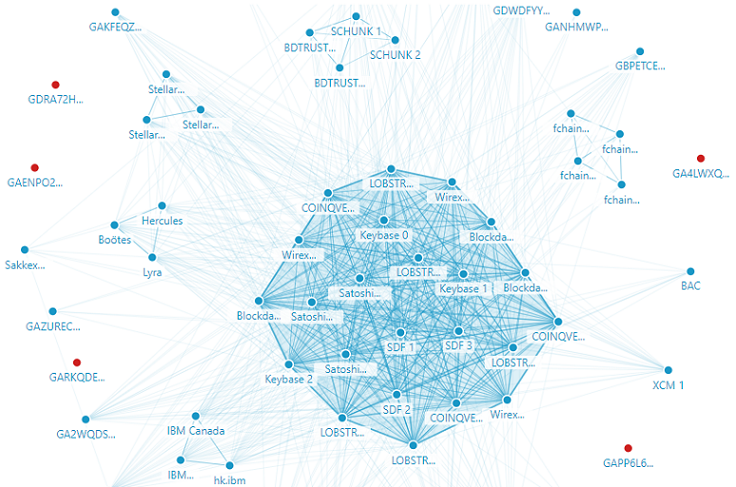
The Stellar network is maintained by a decentralized network of nodes. Each node participates in the Stellar Consensus Protocol (SCP), a federated Byzantine agreement system that allows nodes to reach consensus without a central authority. This makes the network both decentralized and highly efficient.
Transaction Fees
Every transaction on Stellar requires a small fee, currently set at 100 stroops (0.00001 XLM) as the base fee. This fee serves as a spam prevention mechanism. During periods of high network activity, users can set higher fees to prioritize their transactions.
Anchors and the Bridge Currency Model
Anchors are entities that bridge the gap between traditional finance and the Stellar network. They accept deposits in fiat currency and issue equivalent tokens on the Stellar network. When you want to send USD to someone in Europe as EUR, Stellar uses XLM as an intermediate bridge currency, converting automatically through the decentralized exchange.